Posted on 9/25/2026
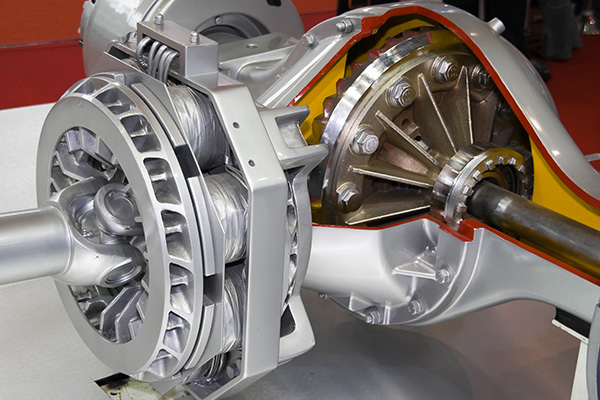
A limited-slip differential is designed to send power to both drive wheels while still allowing them to rotate at different speeds through a turn. When everything works correctly, you shouldn't feel the rear end fighting the turn. If the differential starts chattering, grabbing, or making the vehicle feel like it is hopping around a corner, something inside the unit is no longer operating as it should. The symptom is especially noticeable during slow, tight turns in parking lots or when making a U-turn. Some drivers describe it as tire skipping, a shudder through the floor, or a series of small jerks from the rear axle. The cause often comes down to fluid condition, clutch operation, setup, or internal wear. The Wrong Differential Fluid Can Cause Chatter Limited-slip differentials can be very particular about lubricant. The oil has to protect the gears while also allowing the limited-slip clutches to engage and release at the correct rate. Using gear oil that d ... read more
Posted on 8/28/2026
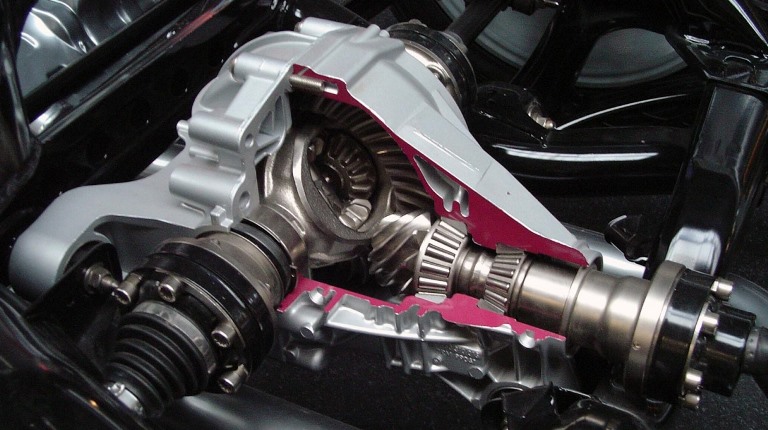
A rear differential should operate quietly enough that most drivers never think about it. When a steady whine appears during acceleration, deceleration, or at a certain road speed, it usually means something inside the gear set or bearing assembly is no longer operating the way it should. The timing of the noise can provide useful clues. A whine that gets louder while you are on the throttle may point toward a different wear pattern than one that appears mainly when you lift off the accelerator. The sound alone does not identify the failed part, but it helps technicians decide where to focus their inspection. How the Rear Differential Handles Power The rear differential transfers torque from the driveshaft to the axle shafts while allowing the left and right rear wheels to rotate at different speeds during turns. Inside the housing, the pinion gear drives the ring gear, and the differential carrier distributes power to the wheels. These gears operate under heavy lo ... read more
Posted on 7/31/2026
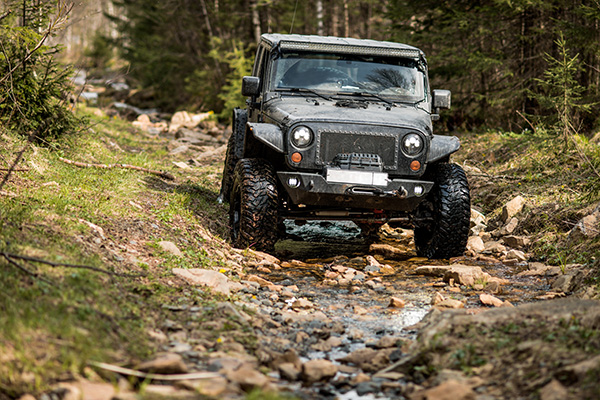
Owning a 4x4 does not automatically mean the vehicle is ready for every trail. Four-wheel drive gives you more traction, but it cannot protect weak tires, overheating components, low ground clearance, or a damaged driveline. Once you leave the pavement, small mechanical problems become much harder to manage. A little preparation changes the entire trip. The right tires, working recovery points, correct fluid levels, and a clear understanding of the terrain can keep a fun day from turning into hours of digging, waiting, or arranging a tow from a remote area. Understand How Your 4x4 System Works Four-wheel-drive systems are not all the same. Some vehicles use a traditional transfer case with 2H, 4H, and 4L settings. Others rely on full-time four-wheel drive, selectable terrain modes, electronic locking systems, or all-wheel-drive controls that distribute power automatically. Know when to use each setting before reaching loose dirt or a steep climb. Four-wheel-drive h ... read more
Posted on 7/21/2026
A differential is one of those parts most drivers never think about until something feels wrong. The vehicle may start humming on the highway, clunking during turns, vibrating under acceleration, or wearing tires in a strange pattern. At first, it may not seem connected to one single component. The differential plays a major role in how power reaches the wheels. It also affects how the vehicle turns, how the tires grip, and how the drivetrain handles stress. When it starts wearing or losing fluid, symptoms can appear as if it's a tire, suspension, transmission, or alignment problem. What A Car Differential Does A differential helps send engine power to the drive wheels while allowing those wheels to rotate at different speeds. That speed difference is important every time you turn. The outside wheel travels farther than the inside wheel, so it needs to rotate faster. Without a working differential, the tires would scrub, hop, or bind during turns. The vehicle w ... read more
Posted on 5/29/2026
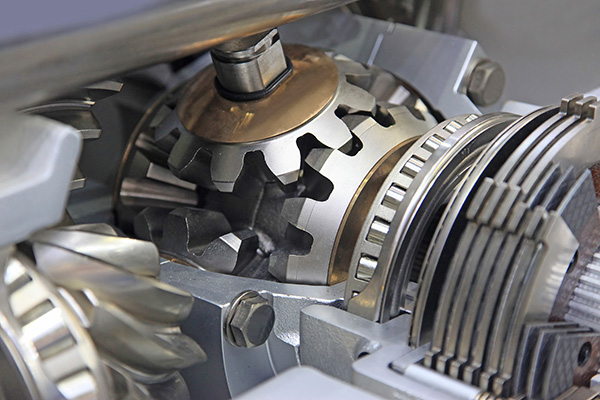
A transfer case does not get much attention until the vehicle stops acting like a real 4WD. Maybe it binds in a parking lot, grinds when you shift ranges, pops out of 4WD, or makes a howl that changes with speed. By then, the problem has usually been building for a while. The transfer case is small compared with the engine and transmission, but it sits right in the middle of the drivetrain conversation. If it is not doing its job, power does not get where it needs to go. What The Transfer Case Actually DoesThe transfer case sits behind the transmission and sends power to the front and rear axles. In a part-time 4WD system, the driver can choose between 2WD, 4HI, and 4LO. In other systems, it may use electronics, clutches, chains, gears, or sensors to automatically manage torque. When it works correctly, the transfer case lets the vehicle handle loose di ... read more