Posted on 7/31/2026

Owning a 4x4 does not automatically mean the vehicle is ready for every trail. Four-wheel drive gives you more traction, but it cannot protect weak tires, overheating components, low ground clearance, or a damaged driveline. Once you leave the pavement, small mechanical problems become much harder to manage. A little preparation changes the entire trip. The right tires, working recovery points, correct fluid levels, and a clear understanding of the terrain can keep a fun day from turning into hours of digging, waiting, or arranging a tow from a remote area. Understand How Your 4x4 System Works Four-wheel-drive systems are not all the same. Some vehicles use a traditional transfer case with 2H, 4H, and 4L settings. Others rely on full-time four-wheel drive, selectable terrain modes, electronic locking systems, or all-wheel-drive controls that distribute power automatically. Know when to use each setting before reaching loose dirt or a steep climb. Four-wheel-drive h ... read more
Posted on 7/21/2026
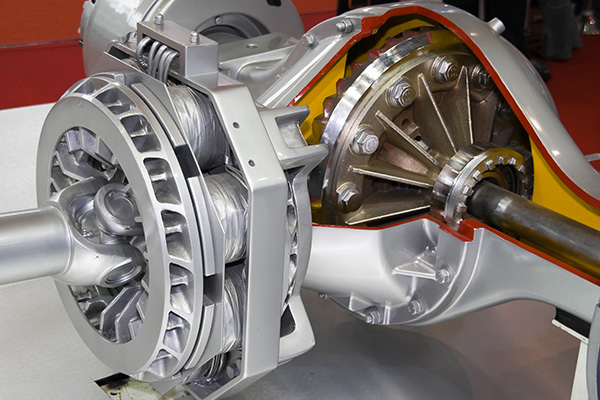
A differential is one of those parts most drivers never think about until something feels wrong. The vehicle may start humming on the highway, clunking during turns, vibrating under acceleration, or wearing tires in a strange pattern. At first, it may not seem connected to one single component. The differential plays a major role in how power reaches the wheels. It also affects how the vehicle turns, how the tires grip, and how the drivetrain handles stress. When it starts wearing or losing fluid, symptoms can appear as if it's a tire, suspension, transmission, or alignment problem. What A Car Differential Does A differential helps send engine power to the drive wheels while allowing those wheels to rotate at different speeds. That speed difference is important every time you turn. The outside wheel travels farther than the inside wheel, so it needs to rotate faster. Without a working differential, the tires would scrub, hop, or bind during turns. The vehicle w ... read more