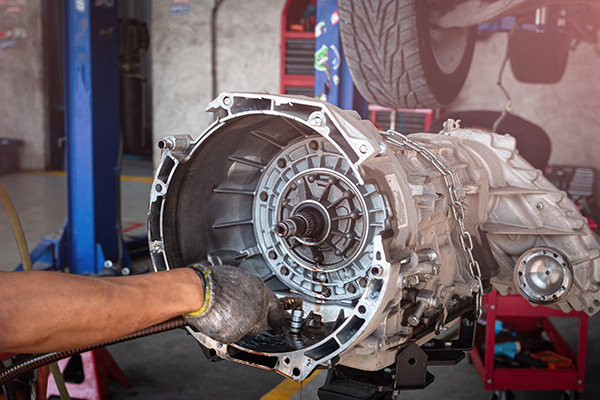
If your vehicle seems to hesitate, shake, or give a quick vibration during acceleration when the weather heats up, you are not imagining things. At our shop, we do hear from drivers who notice transmission shudder more in spring and summer, especially on hot afternoons, in stop-and-go traffic, or during longer drives. The short answer is yes, heat can make a transmission shudder more noticeable.
That does not mean hot weather is the root cause all by itself. Usually, the heat is exposing a problem that was already starting to develop. A transmission that is on the edge of trouble may feel mostly normal in cooler conditions, then begin acting up once fluid temperatures rise and the system is under more stress.
That is why this kind of symptom matters. A shudder is not just an odd feeling to ignore. It is often the transmission’s way of telling you something is no longer working as smoothly as it should.
What A Transmission Shudder Feels Like
Drivers describe transmission shudder in a few different ways. Sometimes it feels like driving over a rumble strip for a second or two. Sometimes it feels like a quick vibration during light acceleration. Other times, it feels like the vehicle cannot decide whether to shift or not.
It often shows up:
- During light throttle acceleration
- Around certain speeds
- When the transmission is shifting
- When the torque converter is locking up
- More often after the vehicle has been driving for a while
That last one is important. If the problem seems worse once the car is fully warmed up, heat may be playing a role.
Why Hot Weather Can Make It Worse
Transmissions depend heavily on fluid. That fluid helps with lubrication, cooling, and hydraulic pressure. When temperatures rise, transmission fluid gets hotter, and if the fluid is old, degraded, or low, it may not protect the system the way it should.
Hot weather can make shudder more noticeable because:
Think of it this way: the transmission may already have a weak spot, and high temperatures simply make that weak spot harder to hide.
The Torque Converter Is Often Part Of The Story
One of the most common causes of transmission shudder is a torque converter issue, especially in modern automatic transmissions. The torque converter helps transfer engine power to the transmission, and when its lockup clutch is not operating smoothly, you may feel a shudder during light acceleration or cruising.
This is one reason the symptom can feel speed-specific or load-specific. The vehicle may drive fine at one moment, then shake briefly at another because the converter clutch is trying to engage smoothly and failing to do it cleanly.
Heat can make this more obvious because hotter fluid may reduce how well the converter clutch applies if the fluid is worn or contaminated.
Old Transmission Fluid Can Be A Major Factor
This is one of the first things we think about when someone says their transmission shudders more in hot weather. If the fluid is old, dirty, or breaking down, the transmission may struggle more once everything is fully warmed up.
Transmission fluid does not last forever. Over time, heat and friction wear it down. When that happens, you may start noticing:
- Rougher shifts
- Delayed engagement
- Shudder under light acceleration
- More noticeable symptoms on hot days
A lot of drivers are told their transmission fluid is lifetime fluid, and that has caused plenty of confusion. In real-world driving, fluid condition still matters, especially once a vehicle has some age and mileage on it.
How To Figure Out If Heat Is Truly Affecting It
If you are trying to determine whether weather is making the shudder worse, the best thing you can do is pay attention to patterns.
Ask yourself:
- Does it happen more after the vehicle has been driving for 20 to 30 minutes?
- Is it worse in traffic than first thing in the morning?
- Does it happen more on hot days than cool ones?
- Does it show up during light acceleration rather than hard acceleration?
- Does it feel worse with the A/C on and the car fully warmed up?
Those details help a lot. If the shudder is clearly more noticeable once everything gets hot, that tells us the problem is likely related to fluid condition, torque converter behavior, or internal wear that becomes more obvious at higher operating temperatures.
Warning Signs That It Needs Attention Soon
A mild shudder that comes and goes can turn into a bigger problem if ignored too long. You should have it checked sooner rather than later if you also notice:
- Harsh or delayed shifting
- Rising RPM without normal acceleration
- A check engine light or transmission warning light
- Burning smell
- Trouble getting into gear
- Symptoms getting worse over time
The earlier a transmission-related problem is caught, the better your chances of addressing it before the repair gets more expensive.
What We Look At In The Shop
When a customer comes in with a hot-weather shudder complaint, we want to know exactly when it happens, how it feels, and whether there are any related symptoms. Then we inspect the vehicle with the bigger picture in mind.
That may include:
- Checking transmission fluid level and condition
- Looking for diagnostic trouble codes
- Road testing the vehicle
- Evaluating torque converter behavior
- Ruling out engine-related vibration or misfire
- Checking for software updates or known transmission issues on that model
The goal is not just to label it as “transmission trouble” and move on. The goal is to figure out what is actually causing the shudder and whether it is a fluid issue, converter issue, internal wear issue, or something else.
Can A Fluid Service Fix It?
Sometimes it can help, especially if the problem is caught early and the fluid condition is a major factor. But not always. If the transmission has internal wear or the torque converter clutch is already damaged, fluid service may not fully solve it. That is why we like to evaluate the condition before recommending anything. In the right situation, fresh fluid can improve operation.
Heat May Expose The Problem, But It Is Not The Real Cause
Hot weather often makes transmission shudder more noticeable, but the heat itself is usually not the real problem. It is just revealing what the transmission was already struggling with. If your vehicle starts shuddering more on hot days, during long drives, or in traffic, it is worth having it checked at Premier West Gears.
Call us today or stop by to schedule a transmission inspection.