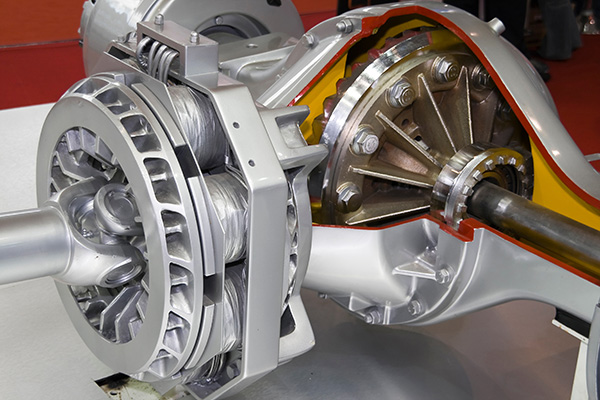
A limited-slip differential is designed to send power to both drive wheels while still allowing them to rotate at different speeds through a turn. When everything works correctly, you shouldn't feel the rear end fighting the turn. If the differential starts chattering, grabbing, or making the vehicle feel like it is hopping around a corner, something inside the unit is no longer operating as it should.
The symptom is especially noticeable during slow, tight turns in parking lots or when making a U-turn. Some drivers describe it as tire skipping, a shudder through the floor, or a series of small jerks from the rear axle. The cause often comes down to fluid condition, clutch operation, setup, or internal wear.
The Wrong Differential Fluid Can Cause Chatter
Limited-slip differentials can be very particular about lubricant. The oil has to protect the gears while also allowing the limited-slip clutches to engage and release at the correct rate.
Using gear oil that does not meet the required specification can make the clutch packs grab too aggressively during a turn. Instead of slipping slightly as the inside and outside wheels rotate at different speeds, the clutches stick and release repeatedly. That stick-slip action is what creates the familiar chatter or shudder.
Some Differentials Require a Friction Modifier
Clutch-type limited-slip units often require a specific friction modifier in addition to the correct gear oil. The additive changes the friction characteristics between the clutch plates so they can transition between locked and slipping operation without grabbing.
Too little modifier can produce chatter, but adding excessive amounts is not a good solution either. Too much can reduce the locking action that the differential was designed to provide. We follow the requirements for the specific unit rather than pouring in additives until the noise disappears.
Old or Contaminated Gear Oil Can Change Clutch Behavior
Differential oil works in a high-load environment. Over time, heat, clutch material, and metal particles can change the lubricant's condition.
Overheated or long-service fluid can lose the characteristics the limited-slip unit depends on. If chatter started after many miles without service, fluid condition is one of the first things we check. Regular maintenance is especially important in trucks, performance vehicles, tow vehicles, and cars that see frequent hard driving because those conditions create more heat inside the differential.
Worn Limited-Slip Clutches Can Grab Unevenly
Many limited-slip differentials use stacked friction and steel plates to control how much speed difference the axle shafts can have. Those clutch packs wear over time.
When the friction surfaces become glazed, distorted, or unevenly worn, engagement can become inconsistent. One part of the clutch pack grabs while another slips, producing vibration or a binding sensation during a tight turn. Fresh fluid cannot repair physically damaged clutch plates, so persistent chatter after proper service can point to internal work.
Incorrect Clutch Preload Can Make the Differential Too Aggressive
A clutch-type differential needs the correct amount of preload. Preload determines how firmly the clutch packs are held together before additional torque is applied.
If the unit was recently rebuilt or set up with excessive preload, it can resist wheel-speed differences more than intended during normal cornering. The vehicle can feel like the rear axle is locked even when you are only making a slow turn. During an inspection, we consider whether the problem appeared after differential work because setup history can tell us as much as the sound itself.
Tire Differences Can Make Binding More Noticeable
The differential expects the tires on the same axle to have similar rolling diameters. A large difference in tire size, tread depth, or inflation pressure forces the differential to compensate even when the vehicle is traveling straight.
That constant speed difference can keep a limited-slip unit working harder than necessary and make clutch chatter more noticeable during turns. Before opening the differential, we check tire size, pressure, and wear. A drivetrain problem can sometimes begin with something as simple as mismatched tires.
Gear or Bearing Problems Can Feel Different From Clutch Chatter
Not every noise from a limited-slip differential comes from the clutch packs. Worn carrier bearings, damaged ring-and-pinion teeth, incorrect backlash, or poor gear contact can create whining, growling, or vibration.
The driving conditions that produce the noise help us separate these problems. Clutch chatter is typically strongest during slow turns. Ring-and-pinion noise often changes between acceleration, deceleration, and steady throttle. Bearing noise can follow vehicle speed regardless of steering angle. Listening to when the complaint appears is an important part of narrowing down the source.
Do Not Ignore Binding That Is Getting Worse
Mild chatter after a fluid change with the wrong lubricant can sometimes be corrected before damage occurs. Severe binding, repeated tire hopping, or metal debris in the oil deserves a closer look.
Continuing to drive a differential that is grabbing hard can place extra load on axle shafts, bearings, gears, and tires. If the unit has already been rebuilt or modified, checking clutch setup and internal clearances becomes even more important. The goal is to find out whether the problem is lubrication-related or whether the differential needs to come apart.
Get Limited-Slip Differential Service In Riverside, CA, With Premier West Gears
If your limited-slip differential chatters, binds, shudders, or makes the tires hop during tight turns, Premier West Gears in Riverside, CA, can check the fluid, clutch operation, tire setup, bearings, and internal differential condition.
Schedule a differential inspection before repeated binding puts unnecessary stress on the rest of the drivetrain.