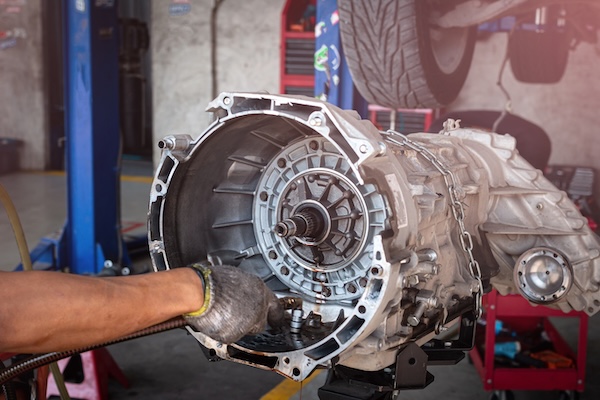
Transmission problems can feel intimidating for any driver. The transmission is one of the most complex systems in a vehicle, and repairs can range from minor adjustments to major overhauls. Understanding the different types of transmission repairs—and where they fall on the spectrum from least to most complex—can help you make informed decisions when something doesn’t feel right.
While not every issue leads to a major repair, knowing what’s involved behind the scenes can take some of the mystery out of transmission service.
The Least Complex Transmission Repairs
At the simpler end of the scale are repairs that don’t require opening up the transmission itself. These issues often involve maintenance or external components that support transmission operation.
Transmission fluid service is one of the least complex tasks. Over time, transmission fluid breaks down, becomes contaminated, and loses its ability to lubricate and cool internal components. Replacing or flushing the fluid helps restore smooth shifting and prevents premature wear.
Another relatively straightforward repair involves replacing seals or gaskets. Leaking transmission fluid can lead to slipping, delayed shifts, or overheating. Fixing a leak early is far less involved than repairing internal damage caused by low fluid levels.
These simpler repairs are often completed quickly and can significantly extend the transmission's service life when addressed promptly.
Moderate-Level Transmission Repairs
Moving up the complexity ladder, some transmission repairs require more labor and diagnostic precision but still don’t involve a full teardown. Sensor replacements fall into this category. Modern vehicles rely on various sensors to control shift timing and pressure. When a sensor fails, it can cause erratic shifting or trigger warning lights.
Solenoid replacement is another mid-level repair. Solenoids regulate fluid flow within the transmission and help manage gear changes. A faulty solenoid can lead to harsh shifting, slipping, or failure to shift at all. Replacing one often requires partial disassembly and careful recalibration.
Clutch repairs in manual transmissions also land in this category. While not part of the transmission internals themselves, a worn clutch directly affects how power is delivered to the transmission. Replacing it involves significant labor but doesn’t usually require rebuilding the transmission.
Advanced Transmission Repairs
As repairs become more complex, the work often involves internal components and specialized expertise. Valve body repairs or replacements are a good example. The valve body serves as the transmission's control center, directing fluid to various circuits. Issues here can cause a wide range of symptoms, from delayed shifts to complete gear engagement failure.
Torque converter repairs also fall into the advanced category. The torque converter transfers power from the engine to the transmission in automatic vehicles. When it fails, drivers may experience shuddering, slipping, or overheating. Accessing and replacing a torque converter requires removing the transmission, making the process more involved.
These repairs require precision, experience, and specialized tools to ensure everything functions correctly after reassembly.
The Most Complex Transmission Repairs
At the top of the complexity scale are full transmission rebuilds and replacements. These are typically required when internal components such as gears, bearings, or clutch packs are severely worn or damaged. A rebuild involves disassembling the transmission, inspecting each part, replacing worn components, and reassembling it to factory specifications.
Transmission replacement is even more extensive. It may be necessary when damage is too severe for rebuilding or when a replacement unit is the more reliable option. This process involves removing the entire transmission and installing a new or remanufactured unit.
The most complex transmission services generally result from prolonged driving with unresolved issues, which is why early diagnosis is so important.
Why Transmission Repair Complexity Matters
Understanding repair complexity helps explain why transmission issues vary so widely in time and effort. What starts as a minor issue can escalate into a major repair if ignored. Addressing problems early not only reduces complexity but also helps preserve vehicle performance and reliability.
Transmission repair complexity typically increases when:
- Problems are left unresolved for extended periods
- Fluid levels or quality are ignored
- Warning signs such as slipping or delayed shifting are dismissed
Being proactive can make a significant difference in outcomes.
No matter how complex a repair is, transmission work requires professional knowledge and experience. Accurate diagnostics are essential to ensure the right repair is performed the first time.
Schedule a Transmission Inspection at Premier West Gears
If your vehicle is showing signs of transmission trouble, contact Premier West Gears in Riverside, CA, today to schedule a professional transmission inspection. Our experienced technicians can diagnose the issue, explain your options, and help keep your vehicle shifting smoothly and reliably.