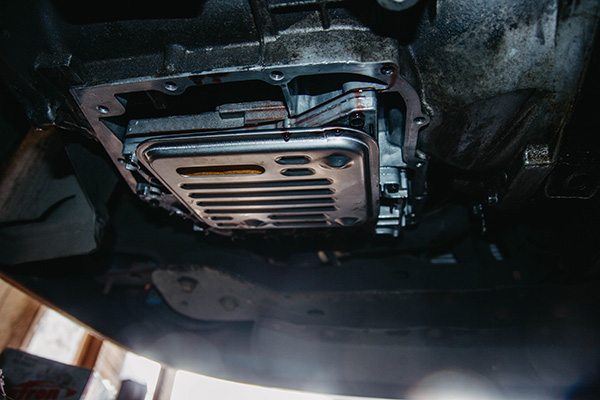
Most drivers never think about what’s happening inside the transmission until shifting starts feeling off. An automatic transmission depends on hydraulic pressure the same way your body depends on blood pressure. If the pressure is steady, everything works in sync.
If pressure drops or arrives late, the transmission can act completely differently.
What The Transmission Oil Pump Does
The oil pump pulls transmission fluid from the pan and sends it through the transmission as a pressurized flow. That pressure is used to apply clutches and bands, operate valves, and feed the torque converter in many designs. It also keeps fluid moving through passages that lubricate bearings and bushings.
Without that pump-driven flow, an automatic transmission can’t manage shifting, and it can’t protect itself from heat. Even when you’re cruising steadily, the pump is still doing constant work in the background.
Where The Pump Gets Its Drive Power
In most traditional automatics, the pump is mechanically driven by the engine via the torque converter housing. That means the pump is moving fluid whenever the engine is running, even if the vehicle is not moving. This is one reason a transmission can build line pressure immediately after startup.
Some newer designs use variations in pump design or control strategy, but the main idea stays the same. The pump is tied to engine rotation, and pump output changes with RPM and demand. That’s also why certain issues show up more clearly at idle or during low-speed takeoffs.
Why Line Pressure Matters For Shifting
Automatic transmissions shift by applying and releasing clutch packs in a very controlled sequence. The oil pump supplies the pressure that makes those clutches apply with the right timing and force. When the system has the right pressure, shifts feel consistent and predictable.
When pressure is low, clutches can apply slowly or slip briefly, which creates heat and wear. When pressure spikes or control is unstable, shifts can feel harsh or delayed. We see drivers chase software resets when the real issue is pressure that isn’t staying where it should.
Lubrication And Cooling Inside The Transmission
The pump does more than create pressure for shifting. It also circulates fluid to lubricate internal parts and carry heat away from friction surfaces. Heat management matters because automatic transmissions generate heat anytime clutches apply, and the torque converter is working.
Fluid that isn’t circulating well can’t cool effectively. That can lead to fluid breakdown, varnish buildup, and faster wear. It’s a quiet snowball effect, because the transmission may still move the car while internal temperatures are climbing higher than they should.
Symptoms Of A Weak Or Failing Pump
A failing pump usually shows itself as a pressure problem, but you feel it as drivability issues. The vehicle may hesitate to move when shifted into Drive or Reverse, or it may feel like it’s taking a second to engage. Some people notice a flare where RPM rises without matching acceleration, especially on the first shift after startup.
Other symptoms can include inconsistent shifting that gets worse when hot, or a whine that changes with engine speed. Low fluid can mimic pump problems, so checking the level and condition is always part of the process. If the issue is only happening at certain temperatures, that’s also useful, because heat changes fluid viscosity and can expose weak pressure control.
What Happens If You Tow Or Drive With Low Fluid
Low transmission fluid is a big deal because the pump can pull air instead of fluid. Air in the system causes erratic pressure, and erratic pressure means clutches don’t apply cleanly. That creates slip, and slip creates heat.
Towing adds load and heat, which narrows the transmission’s safety margin. If you tow with low fluid or an existing pressure issue, wear can accelerate quickly. This is also why towing rules vary by vehicle, because some transmissions rely heavily on pump-driven flow that may not be present in certain towing situations.
When To Service It And What We Check
Transmission pumps are not typically replaced as a maintenance item, but the conditions that hurt pumps are preventable. Fluid that’s old, contaminated, or low forces the pump to work harder and can lead to internal wear. Keeping leaks addressed and fluid service on schedule fits naturally into a regular maintenance plan, especially for vehicles that see traffic, heat, or towing.
A good check starts with an inspection of fluid level and condition, then confirming whether engagement and shift timing match what the vehicle should be doing. Our technicians also look for signs of restricted flow, unusual noise, and heat-related symptoms that point toward pressure issues. The goal is to separate a pump problem from a control, solenoid, or fluid problem before any major repairs are considered.
Get Transmission Service In Riverside, CA, With Premier West Gears
Premier West Gears in Riverside, CA, can check shifting concerns, fluid condition, and pressure-related symptoms to pinpoint what’s actually causing the problem.
Book a visit and get a clear plan before wear turns into a bigger repair.