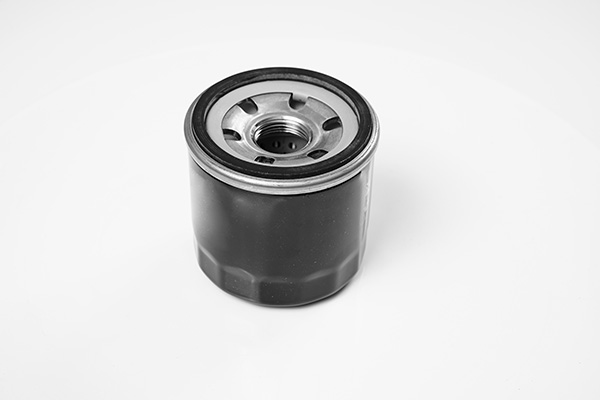
You take the car in for transmission service and expect a new filter to be part of the job.
Then the technician says your transmission doesn't have a filter that gets changed during routine maintenance. That sounds odd, because engine oil changes almost always include a new filter. Automatic transmissions are built differently. Some have a replaceable filter in the pan, others use an internal strainer or integrated filter, and some designs don't offer a standard filter-replacement procedure at all.
Why Automatic Transmissions Use Filters and Strainers
Automatic transmission fluid has several jobs. It lubricates gears and bearings, helps manage heat, and operates hydraulic controls and clutch packs in many transmission designs. Small particles from normal wear and internal components circulate with the fluid. A filter or strainer helps prevent larger debris from entering passages where it would interfere with operation.
The type of filtration depends on the transmission. Some filters use media similar in purpose to an oil filter, while others are screens intended mainly to stop larger particles. Not every unit handles contamination in the same way. Follow the manufacturer's fluid and service instructions. Not every automatic transmission needs a new filter each time its fluid is changed.
Automatic Transmissions With a Replaceable Pan Filter
Many conventional automatic transmissions have a removable oil pan at the bottom of the case. The filter sits inside the pan or connects to the fluid pickup, where it strains or filters fluid before it reaches parts of the hydraulic system. During scheduled service, the pan may be removed so the filter and gasket can be replaced.
This design makes filter replacement relatively accessible, although the procedure still requires care. The pan has to seal correctly, the filter must fit the pickup, and the transmission needs the specified fluid at the proper level. Some vehicles use a reusable gasket. Others require a replacement. The service procedure depends on the transmission's actual pan and filter design.
Transmissions With Internal or Non-Serviceable Filters
Some transmissions place the filter deeper inside the case, so reaching it requires major disassembly.
Others incorporate the filtration element into an expensive or specially designed component. For those units, a routine fluid service doesn't include removing the filter, and the manufacturer may not list it as a normal maintenance item.
A transmission can still have internal filtration even when the owner never sees a separate filter replacement on the service invoice. The distinction is serviceability. Recommending disassembly solely to change a filter that isn't scheduled for routine replacement often makes little sense. We identify the exact transmission before discussing what can be done without opening major internal components.
Integrated Transmission Pan and Filter Assemblies
On certain newer transmissions, the filter is built into a composite or metal pan assembly.
On some units, the filtration element is built into the pan, so the entire pan is replaced during service. That raises parts cost, but it's part of how that transmission was designed to be serviced.
The job may also involve a specific fill temperature, a vehicle-level position, or diagnostic equipment to monitor fluid temperature. A shop that uses the wrong fluid or estimates the level by guesswork introduces serious risks. The correct filter arrangement is only one part of transmission maintenance. Accurate fluid specifications and proper filling procedures matter just as much.
How Transmission Filter Problems Affect Shifting
A severely restricted filter or pickup screen can contribute to insufficient fluid supply, poor hydraulic pressure, or shifting problems.
But a harsh shift, delayed engagement, or slipping transmission isn't proof the filter is clogged. Worn internal clutches, solenoid faults, low fluid, electronic controls, and mechanical damage produce similar symptoms.
Look for these changes and mention them during service:
- Delayed engagement into Drive or Reverse
- Slipping or engine revving between shifts
- Harsh shifts after the transmission warms
- Unusual transmission whine or vibration
- Fluid leaks or a transmission warning light
- Fluid that smells burnt if the unit has a dipstick
- Unusual hesitation when accelerating onto a highway
If the transmission is already slipping badly, a routine filter change won't reliably reverse internal wear. Test the transmission before presenting fluid service as the solution.
Does Every Transmission Fluid Change Include a Filter?
No. Some manufacturers specify a drain and refill without filter replacement. Others require a filter or integrated pan at a scheduled interval.
Certain transmissions use inspection procedures instead of routine replacement schedules under normal driving conditions. There isn't one service package that properly covers every automatic transmission.
The fluid itself also varies by design. Conventional automatics, continuously variable transmissions, and dual-clutch gearboxes use different lubricants and procedures. A fluid that belongs in one transmission can damage another. Before recommending service, we check the vehicle's transmission type, operating history, fluid requirements, and any existing shifting problems.
How Transmission Service Records Guide Filter Replacement
On a used car without records, the previous transmission fluid and filter service may be unknown. That makes careful inspection more important, not a reason to perform aggressive flushing automatically. We look for leaks, fluid conditions where it is accessible, stored faults, and how the transmission behaves on a road test.
A filter service is preventive maintenance when the manufacturer recommends it for a working transmission.
It isn't a cure for badly worn internal parts. If a transmission slips, shifts erratically, or makes an unusual noise, test the fault before scheduling routine fluid service. After checking the design and condition, we explain the recommended service or repair and why it fits the symptoms.
Get Automatic Transmission Filter and Fluid Service in Riverside, CA, With Premier West Gears
Premier West Gears in Riverside, CA, checks transmission design, filter accessibility, fluid specifications, and service history before recommending maintenance. We'll confirm if your transmission has a serviceable filter and outline the maintenance it requires.
Ask which transmission is in your car before approving a generic fluid-and-filter package.