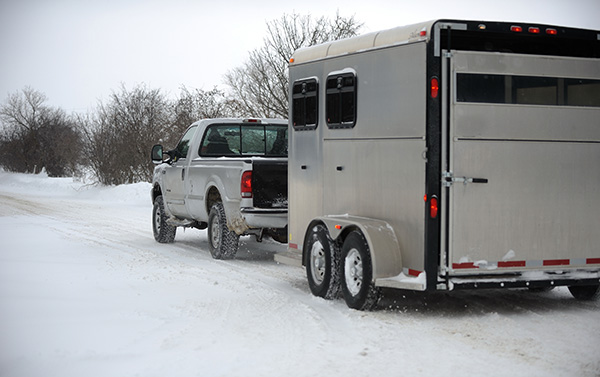
Towing a trailer through the mountains asks more from your vehicle and from you as a driver. Long climbs, steep descents, and tight curves can turn a simple trip into a real test if you are not prepared.
With the right prep and driving habits, you can keep control, protect your brakes and transmission, and make the trip feel a lot less stressful.
Why Mountain Towing Is Different From Flatland Driving
On flat highways, your tow setup might feel relaxed and stable. In the mountains, gravity is constantly working against you. You need more power to climb, more control to come back down, and more awareness of how heat builds up in brakes, transmission fluid, and engine cooling systems.
The extra weight of the trailer makes every mistake bigger. If speed gets away from you on a downhill, it takes much longer to slow down. If your trailer is not balanced correctly, crosswinds and curves can push the rig around in ways that are hard to correct. Treating mountain towing as a separate skill set instead of “just another drive” is the safest approach.
Pre-Trip Checks Before You Tow Into the Mountains
Before you head toward steep grades, a few careful checks can prevent breakdowns in the middle of nowhere. Start with the basics: tire condition and pressure on both the tow vehicle and trailer. Underinflated or cracked tires run hotter and are more likely to fail when they are loaded and working hard on long climbs.
Fluids matter just as much. Make sure engine oil, coolant, and transmission fluid are at the correct levels and in good condition. Test all trailer lights and the brake controller so you know other drivers can see you, and your trailer brakes will help on descents. It is also smart to check your owner’s manual for towing capacity and never assume “close enough” is good enough when you are pointing the nose toward a steep pass.
Setting Up Your Trailer, Hitch, and Load Safely
A solid setup will do more for safety than any single driving trick. Key points include:
- Matching the hitch and ball size to the trailer coupler
- Using a weight-distributing hitch when your tongue weight is high
- Loading heavier cargo low and slightly forward of the trailer axle
- Keeping tongue weight in the proper range (often around 10–15% of trailer weight)
- Securing all loads so nothing can shift during braking or cornering
If the tongue is too light, the trailer can sway, especially at highway speeds or when a gust of wind hits. If it is too heavy, the back of the tow vehicle can sag, hurting steering and braking. When everything is balanced, the whole rig feels calmer, which is exactly what you want before a long climb or descent.
Smart Techniques for Climbing Long Grades
On long uphill pulls, the goal is steady, controlled effort, not sprinting between slow sections. Pick a lower gear early rather than waiting for the transmission to hunt constantly between gears. Keeping the engine in a comfortable rpm range helps with cooling and gives you power in reserve if you need to accelerate slightly.
Watch your gauges. Rising coolant temperature, transmission temperature warnings, or loss of power are signs you are pushing too hard. If needed, use designated pullouts to let the rig cool and to allow faster traffic to pass. It is better to reach the top a few minutes later than to arrive with overheated fluid, slipping transmission, or boiling coolant.
How to Control Speed Safely on Long Downhills
Coming down the other side is where many drivers get into trouble. Safe downhill towing usually includes:
- Starting down at a lower speed than you think you need
- Selecting a lower gear before the grade steepens to use engine braking
- Applying the brakes in firm, short intervals rather than riding them constantly
- Letting off the pedal between brake applications so components can shed heat
- Using trailer brakes correctly, with a properly adjusted brake controller
If you smell hot brakes, feel the pedal getting softer, or sense vibration from overheated rotors, that is your cue to slow down further or stop at a safe pullout to let everything cool. Once brake fade starts, it can go from mild to severe quickly, especially with a loaded trailer behind you.
Driver Mistakes to Avoid When Towing in the Hills
Most scary towing stories in the mountains share a few common mistakes. Letting speed build up on long downhills, trusting cruise control on steep grades, or waiting too long to downshift can all overload brakes and transmissions. Sudden steering inputs while braking hard, especially in curves, are another recipe for trailer sway.
It is also easy to forget how much extra length and weight you are managing. Cutting corners too tightly, following too closely, or making last-second lane changes are much less forgiving with a trailer attached. Giving yourself more space, planning passes and lane changes early, and staying patient are simple ways to avoid surprises.
After-the-Trip Inspection to Catch Hidden Damage
When you get back from a mountain towing trip, a quick inspection is worth the time. Look over the tires for new cuts, bulges, or uneven wear that started under load. Check the trailer brakes and wiring for signs of overheating or rubbing. It is also smart to listen for new noises from the drivetrain or suspension on a test drive without the trailer.
If the rig feels strained on climbs or descents, or if you notice any warning lights, it is a good idea to schedule a visit before your next big trip. A small leak, marginal transmission, or weak brake component rarely improves on its own. Catching that now is far cheaper than dealing with a failure halfway up or down a mountain.
Get Safe Mountain Towing Help in Riverside, CA, with Premier West Gears
We help drivers set up and maintain tow vehicles and trailers so mountain grades feel manageable instead of stressful. We can inspect your drivetrain, brakes, hitch setup, and gears, then recommend improvements that match how and where you tow.
Call Premier West Gears in Riverside, CA, to get ready for safe towing up and down the mountains on your next trip.